
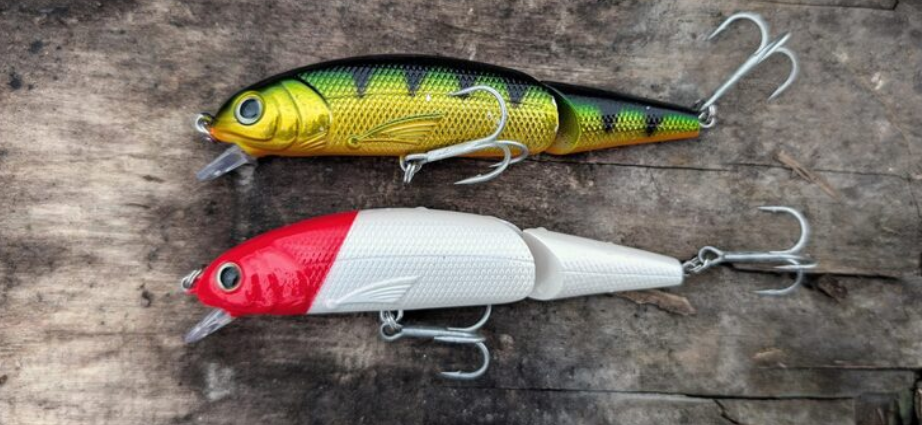
Fishing success often depends on choosing the right lure for the right environment. One of the most effective tools anglers use today is Nature Boys Fishing Jigs, known for their quality design and versatility. However, even the best jig will perform differently depending on water clarity, depth, and current. Understanding how to match your jig to the water conditions can significantly improve your catch rate and overall fishing experience.
Understanding Clear Water Conditions
Clear water can make fish more cautious because they can easily see movement, shape, and color. In these conditions, subtle and natural presentations work best. When using Nature Boys Fishing Jigs in clear water, lighter colors such as silver, white, or translucent shades are often more effective because they resemble natural baitfish.
Slow and steady movement is also important. Fast or aggressive jigging can scare fish away. Instead, gentle lifts and pauses allow the jig to look more realistic. In clear water, less is often more, and a simple presentation can make a big difference in attracting strikes.
Fishing in Murky or Stained Water
Murky water reduces visibility, so fish rely more on vibration and contrast to locate prey. In these conditions, Nature Boys Fishing Jigs in darker or brighter colors such as black, chartreuse, or red can stand out better.
A more active jigging technique works well here. Sharp movements and repeated drops create vibrations that help fish detect the lure even when they cannot see it clearly. Adding a slightly larger jig or one with extra flash can also improve visibility. The key in murky water is to make your jig noticeable and easy for fish to track.
Deep Water Fishing Strategies
Deep water fishing requires jigs that can sink quickly and maintain stability at greater depths. Heavier Nature Boys Fishing Jigs are ideal for this environment because they reach the target zone faster and stay controlled even in strong currents.
In deep water, fish often stay closer to the bottom or structure, so your jig should be worked near these areas. A vertical jigging technique is commonly used, where the lure is dropped straight down and then lifted in controlled motions. Since light is limited at deeper levels, focusing on movement and vibration becomes more important than color alone.
Shallow Water and Structure Areas
Shallow water environments, such as shorelines, reefs, and vegetation zones, require a more careful approach. Fish in these areas can be easily disturbed, so natural movement and precision are essential. Nature Boys Fishing Jigs in medium weights are often best suited for shallow water because they allow controlled sinking without spooking fish.
In these conditions, it is helpful to use short, precise movements rather than long aggressive jerks. Casting near structures like rocks, logs, or grass beds increases your chances of success because fish often hide in these areas for protection and feeding opportunities.
Adjusting to Weather and Seasonal Changes
Water conditions are not only affected by clarity and depth but also by weather and seasons. During colder months, fish tend to move slower, so a slow jigging approach with Nature Boys Fishing Jigs is more effective. In warmer seasons, fish are more active, allowing for faster and more dynamic presentations.
Wind and rain can also change water visibility. After rainfall, water often becomes murkier, making brighter jigs more useful. Calm weather usually leads to clearer water, where natural colors perform better. Adapting to these changes ensures that your fishing strategy stays effective throughout the year.
Conclusion
Selecting the right jig is all about understanding the environment you are fishing in. Nature Boys Fishing Jigs offer versatility that can adapt to clear, murky, deep, and shallow waters when used correctly. By matching your jig color, weight, and technique to the water conditions, you can greatly improve your fishing success. With practice and attention to detail, every fishing trip can become more productive and enjoyable.