
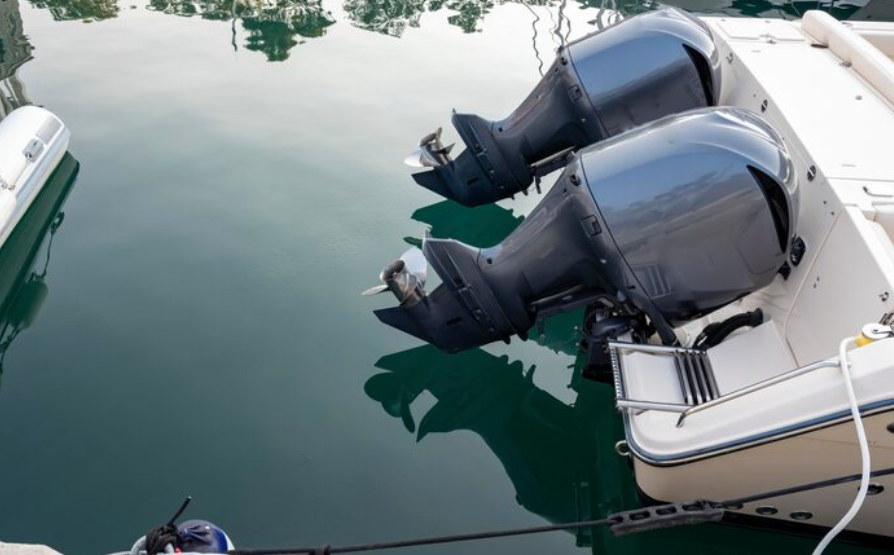
Choosing the right outboard jet intake is an important step in improving your boat’s performance, reliability, and ability to travel through shallow water. The intake helps direct water into the jet system, allowing the engine to produce the thrust needed to move the boat. Selecting the right option depends on your boat type, engine size, and intended use. By understanding the main factors, you can make a suitable choice for your boating needs.
Understand How an Outboard Jet Intake Works
An outboard jet intake draws water into the jet unit, where it is pushed through an impeller and directed out to create thrust. Unlike traditional propeller systems, an outboard jet system can help boats operate in shallow rivers and other areas where underwater obstacles may be a concern. A suitable outboard jet intake supports proper water flow and helps the engine perform as expected. Understanding how this component works makes it easier to compare available options.
Consider Your Boat and Engine Specifications
Before choosing an outboard jet intake, check your boat’s size, weight, and engine specifications. Different boats require different levels of thrust, and the intake must be compatible with the outboard jet unit. Engine horsepower is also an important factor because the intake and jet assembly must work together as a complete system. Always review the manufacturer’s recommendations to confirm compatibility. Choosing a suitable combination can help maintain reliable operation and support the performance you expect from your boat.
Choose an Intake for Your Water Conditions
Think about where you usually operate your boat. If you travel through shallow rivers, rocky areas, or streams with changing water levels, you need an outboard jet intake designed for the conditions you regularly face. Water depth, current, and the amount of sand or debris in the water can affect performance. An intake suited to your environment can help support consistent water flow. However, no intake can completely prevent damage from rocks or other underwater obstacles, so careful navigation remains important.
Check Material Quality and Construction
Material quality is another important consideration when selecting an outboard jet intake. A well-made component should be strong enough to handle regular use and suitable for the conditions in which your boat operates. Corrosion resistance may also matter, especially if you use your boat in environments that can affect metal components. Look for reliable construction, accurate fitting, and clear product specifications. A durable intake can support long-term use when it is installed and maintained according to the manufacturer’s instructions.
Compare Maintenance and Installation Needs
Before making a purchase, consider how easy the outboard jet intake will be to install, inspect, and maintain. Check whether it requires specific tools, additional parts, or professional installation. Regular inspections can help identify wear, blockages, or damage before they affect performance. Keeping the intake clean and following the recommended maintenance schedule can also support efficient operation. Choosing a model with clear installation guidance can make ownership easier over time.
Conclusion
Choosing the right outboard jet intake requires careful attention to engine compatibility, boat specifications, water conditions, material quality, and maintenance needs. By comparing these factors and following the manufacturer’s recommendations, you can select an intake that suits your boating requirements. A well-matched outboard jet intake can support dependable performance and help you enjoy your time on the water with greater confidence.